
Sealcoating for Apartment Complexes: Protecting High-Traffic Asphalt in Phoenix
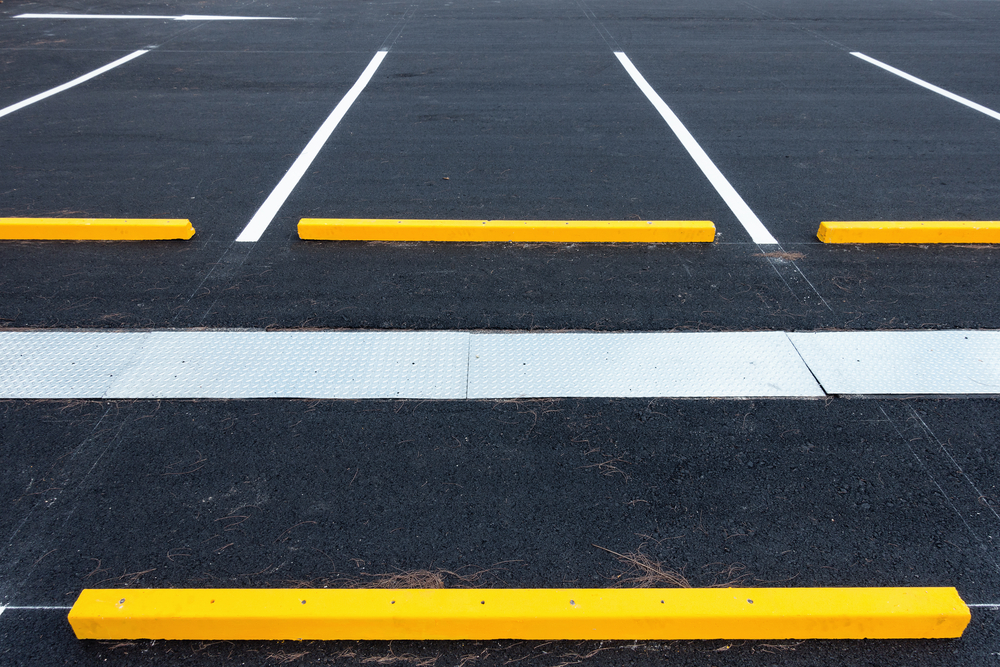
Apartment complex parking lots in Phoenix handle more than routine vehicle traffic. Intense desert sun, long stretches of triple-digit heat, monsoon moisture, dust, delivery vehicles, moving trucks, and constant resident turnover can all contribute to pavement wear.
Sealcoating can help protect structurally sound asphalt from surface deterioration while giving multifamily properties a cleaner, more uniform appearance.
Quick answer: Sealcoating for apartment complexes helps protect asphalt surfaces from sunlight, oxidation, moisture, and everyday traffic. For Phoenix property managers, the key is applying sealcoat before pavement deterioration becomes severe and planning the work around weather, curing conditions, resident access, and parking needs. Sealcoating is preventive maintenance, not a substitute for repairing failed asphalt.
What local property managers should know
-
Sealcoating works best on asphalt that is still structurally sound and has been properly cleaned and prepared.
-
Phoenix heat and intense sunlight can accelerate surface oxidation and drying, making preventive pavement care especially relevant in the Valley.
-
Monsoon moisture can enter untreated cracks and damaged areas, so crack repair should generally come before sealcoating.
-
Apartment communities often benefit from phased work that keeps portions of the parking area available to residents.
-
Oil spots, loose material, failed pavement, and significant cracking may require additional preparation or repair before a sealcoat is applied.
Why Does Sealcoating Matter for Phoenix Apartment Complexes?
Sealcoating matters for Phoenix apartment complexes because asphalt is exposed to intense sunlight, prolonged heat, vehicle traffic, and seasonal storms that can gradually weaken its surface. A properly planned maintenance program can help slow surface deterioration and preserve pavement that is still in serviceable condition.
The National Weather Service reported a normal July average maximum temperature of 106.5°F for Phoenix based on the 1991 to 2020 climate-normal period. Arizona transportation officials also note that asphalt and concrete surfaces can become considerably hotter than the surrounding air.
That exposure is especially relevant around large apartment communities in areas such as Downtown Phoenix, Midtown, Arcadia, Maryvale, Deer Valley, and the Camelback Corridor. Parking spaces, drive aisles, dumpster areas, mail centers, leasing-office entrances, and property access points may experience traffic throughout the day.
Sunstar Seal Coating Inc. works with pavement maintenance needs in the Phoenix area. When evaluating an apartment property, we focus on the condition of the existing asphalt and the practical demands of maintaining a busy multifamily parking area.
What Does Phoenix’s Climate Do to Asphalt?
Phoenix’s climate exposes asphalt to sustained heat, strong sunlight, dry conditions, and seasonal monsoon weather, all of which can contribute to surface aging. Over time, asphalt may lose some of its dark color and flexibility while cracks and worn areas become more visible.
The Arizona Department of Transportation describes Arizona pavement as facing both extreme climate conditions and heavy traffic demands. ADOT also notes that pavement treatments must be performed within suitable temperature and weather windows because curing and adhesion depend on environmental conditions.
For apartment properties across Maricopa County, that means pavement maintenance should be based on both asphalt condition and weather. A calendar date alone does not determine whether a surface is ready for treatment.
What Are the Warning Signs That Apartment Asphalt Needs Attention?
Apartment asphalt needs attention when fading, cracking, surface wear, drainage problems, or localized failures begin appearing across parking and driving areas. Catching these conditions early can give property managers more maintenance options than waiting until widespread pavement failure develops.
Watch for:
-
Asphalt that has faded from deep black to a dry gray appearance
-
Small cracks spreading through parking spaces or drive lanes
-
Loose aggregate or a rough, weathered surface
-
Oil and automotive-fluid staining in frequently occupied spaces
-
Cracking around drains, curbs, dumpster pads, or utility areas
-
Depressions where monsoon water collects after storms
-
Raveling or deterioration in heavily traveled entrance lanes
-
Potholes or broken pavement that indicate repair is needed beyond sealcoating
Sealcoat should not simply cover over these problems. Existing defects need to be evaluated so the appropriate preparation or repair can happen first.
When Should an Apartment Complex Call a Pavement Professional?
An apartment complex should call a pavement professional when cracking, surface oxidation, drainage issues, potholes, or widespread wear make it difficult to determine whether preventive maintenance is still appropriate. Professional evaluation is also useful when a project must be phased around hundreds of vehicles and resident schedules.
Property teams can safely monitor fading, note crack locations, photograph drainage problems, and track areas where pavement appears to deteriorate fastest.
Professional service becomes more important when cracks are widespread, asphalt is breaking apart, low spots hold water, repairs are failing, or the property needs a coordinated sealcoating plan that minimizes parking disruption.
What Commonly Causes Asphalt Wear at Phoenix Apartment Communities?
The most common causes of asphalt wear at Phoenix apartment communities include heat and ultraviolet exposure, repeated vehicle traffic, water intrusion, automotive fluids, and delayed crack maintenance. These factors often overlap, especially on older or heavily occupied multifamily properties.
1. Desert sun and heat: Long periods of intense sunlight can contribute to oxidation and surface aging.
2. High traffic: Resident vehicles, rideshare drivers, deliveries, contractors, moving trucks, and waste-service vehicles repeatedly load the same drive aisles.
3. Cracks that remain open: Once cracks develop, moisture and debris can enter them and contribute to further deterioration.
4. Monsoon weather: Summer storms can bring sudden rainfall, wind, and blowing debris throughout the Valley.
5. Oil and vehicle fluids: Parking stalls may accumulate petroleum-based stains that require proper surface preparation.
Properties near major corridors such as I-17, Loop 101, State Route 51, and Loop 202 may also experience particularly busy access patterns depending on their location and tenant population.
How Can Property Managers Maintain Apartment Asphalt?
Property managers can maintain apartment asphalt by inspecting it regularly, addressing cracks and failures promptly, keeping drainage areas clear, and scheduling preventive treatments while the pavement remains a good candidate. Consistent maintenance is generally more useful than waiting for visible deterioration to become severe.
A practical Phoenix maintenance routine includes checking pavement before the hottest part of summer, inspecting again after monsoon activity, watching high-turnover parking areas, and documenting recurring trouble spots.
Before sealcoating, pavement may need cleaning, crack treatment, oil-spot preparation, or localized repair. Areas with structural failure require a different solution.
DIY monitoring is useful. DIY application across a large occupied apartment parking lot is a different matter because access control, preparation, application consistency, curing, and traffic management all affect the result.
What Results Should Property Managers Expect From Sealcoating?
Property managers should expect sealcoating to provide a protective surface treatment and a darker, more uniform appearance on suitable asphalt, not to rebuild damaged pavement. The final result depends heavily on pavement condition, preparation, product application, weather, and curing.
A properly maintained surface can make parking areas look more organized and help protect the existing asphalt surface from environmental exposure.
Cracks, potholes, base failures, drainage defects, and deeply deteriorated asphalt do not disappear simply because sealcoat is applied. Those conditions should be addressed separately.
What Sealcoating Mistakes Should Phoenix Apartment Managers Avoid?
Phoenix apartment managers should avoid treating sealcoating as a cosmetic shortcut, ignoring pavement preparation, or reopening treated areas before they are ready. These mistakes can undermine both the appearance of the project and the usefulness of preventive maintenance.
Mistake: Coating over failed asphalt.
Consequence: Existing structural problems remain beneath the coating.
Better approach: Repair failed sections before applying a surface treatment.
Mistake: Ignoring cracks.
Consequence: Open cracks remain pathways for moisture and debris.
Better approach: Evaluate and treat appropriate cracks before sealcoating.
Mistake: Scheduling solely by the calendar.
Consequence: Extreme heat or changing monsoon conditions may interfere with the work.
Better approach: Schedule around actual pavement, air, and weather conditions.
Mistake: Closing the entire property without an access plan.
Consequence: Residents, deliveries, and staff may face unnecessary disruption.
Better approach: Consider phased sections when the site layout allows it.
What Does a Typical Phoenix Apartment Sealcoating Scenario Look Like?
A common Phoenix apartment sealcoating scenario involves a property with faded pavement, scattered cracks, heavily used drive lanes, and hundreds of parking movements each day. The property manager wants to maintain the asphalt without unnecessarily disrupting residents.
In that situation, the pavement would first be evaluated for areas requiring repair. The project could then be divided into manageable sections, with residents notified about temporary parking changes. Surface preparation and appropriate crack work would occur before sealcoat application, followed by sufficient curing before traffic returns.
This is a representative local scenario, not a specific Sunstar Seal Coating Inc. project.
Which Pavement Services May Be Needed Before or Alongside Sealcoating?
Services needed before or alongside sealcoating may include pavement cleaning, crack treatment, asphalt repair, and other preparation based on the condition of the parking lot. Sealcoating performs best as one part of a broader pavement-maintenance strategy rather than as a cure for every asphalt defect.
For a multifamily property, the appropriate scope depends on where deterioration is occurring and how severe it has become.
How Does Sealcoating Compare With Asphalt Repair?
Sealcoating protects the surface of serviceable asphalt, while asphalt repair addresses localized areas where pavement has already deteriorated or failed. Choosing between them depends on the condition of the pavement, and many apartment properties need both services in different areas.
Sealcoating makes sense when the existing pavement remains structurally usable but needs preventive surface protection.
Repair becomes more appropriate for potholes, broken pavement, severe deterioration, or other areas where a surface coating cannot correct the underlying problem.
The best maintenance plan may combine repairs in damaged sections with preventive treatment across asphalt that remains in better condition.
What Areas Around Phoenix Can Benefit From Apartment Pavement Maintenance?
Apartment pavement maintenance is relevant throughout Phoenix and surrounding Maricopa County communities where multifamily parking areas face desert heat, traffic, and seasonal storms. Similar conditions affect properties in Glendale, Peoria, Scottsdale, Tempe, and nearby Valley communities.
The appropriate service should still be determined property by property because traffic patterns, pavement age, drainage, shade, previous maintenance, and existing damage can vary significantly.
What Can Happen If Apartment Asphalt Maintenance Is Delayed?
Delayed apartment asphalt maintenance can allow small surface problems and cracks to develop into more extensive pavement deterioration. Once asphalt reaches advanced failure, preventive treatments such as sealcoating may no longer be the appropriate solution.
For multifamily properties, deteriorating pavement can also affect parking-lot appearance, vehicle circulation, drainage, and the amount of work eventually required.
Periodic inspection gives property managers an opportunity to identify maintenance needs while more options may still be available.
FAQ About Apartment Complex Sealcoating in Phoenix
How often should an apartment complex be sealcoated in Phoenix?
There is no single schedule that fits every Phoenix apartment complex. Traffic volume, pavement age, previous maintenance, sun exposure, drainage, and surface condition all affect timing. The better approach is to inspect the asphalt periodically and schedule sealcoating when the existing pavement remains structurally sound and shows appropriate signs of surface aging.
Can sealcoating fix cracks in an apartment parking lot?
No, sealcoating should not be treated as a crack-repair product. Appropriate cracks generally need separate preparation or treatment before the sealcoat is applied. Larger cracks, pavement movement, potholes, and broken areas may indicate more significant repair needs that should be evaluated before a Phoenix property schedules surface treatment.
Does Phoenix heat affect when sealcoating can be applied?
Yes, Phoenix heat can affect application and curing conditions. Pavement treatments require suitable temperatures and weather, and Arizona transportation guidance confirms that some pavement-preservation work has defined temperature limitations. Actual scheduling should therefore consider pavement temperature, air temperature, weather forecasts, material requirements, and the specific conditions at the property.
Should an apartment complex sealcoat before monsoon season?
Sealcoating should be scheduled according to pavement condition and appropriate weather rather than simply because monsoon season is approaching. Preparation, curing time, temperature, and the chance of rain all matter. Property managers can use the pre-monsoon period to inspect cracks, drainage areas, and pavement damage and determine what maintenance is appropriate.
Can residents drive on freshly sealcoated asphalt?
Residents should not drive on freshly treated areas until the coating has cured sufficiently for traffic. The required closure period depends on the product, application, weather, and site conditions. For apartment communities, advance notices and phased parking plans can help manage vehicle access while treated sections remain temporarily closed.
Is sealcoating useful for high-traffic apartment entrances?
Yes, sealcoating can be useful on structurally sound high-traffic asphalt, but busy apartment entrances need careful evaluation because repeated vehicle loading may reveal cracks, rutting, or deterioration that requires repair first. Entrance lanes also need thoughtful scheduling because closing a primary access point can affect residents, deliveries, vendors, and emergency access.
What should Maricopa County property managers inspect before sealcoating?
Maricopa County property managers should inspect cracks, potholes, loose aggregate, oil stains, drainage areas, depressions, failed repairs, and heavily worn traffic lanes. These conditions help determine how much preparation is needed and whether every portion of the parking lot remains an appropriate candidate for preventive surface treatment.
Can an apartment parking lot stay partly open during sealcoating?
Yes, many apartment parking lots can potentially be treated in phases when the site layout and project conditions allow it. Sectioning the work can preserve some resident parking and circulation while other areas cure. The exact plan should account for entrances, fire lanes, trash service, deliveries, accessible parking, and normal property operations.
Protect Your Apartment Community’s Asphalt in Phoenix
A well-planned pavement maintenance program can help Phoenix apartment managers protect serviceable asphalt while keeping resident disruption manageable. We can evaluate the existing pavement and help determine where preventive maintenance or repair may be appropriate.
Protect your parking areas before surface wear becomes a larger pavement problem.
Categorised in: Sealcoating
This post was written by admin