
How Long Does Sealcoating Last in Phoenix? Factors That Affect Its Lifespan
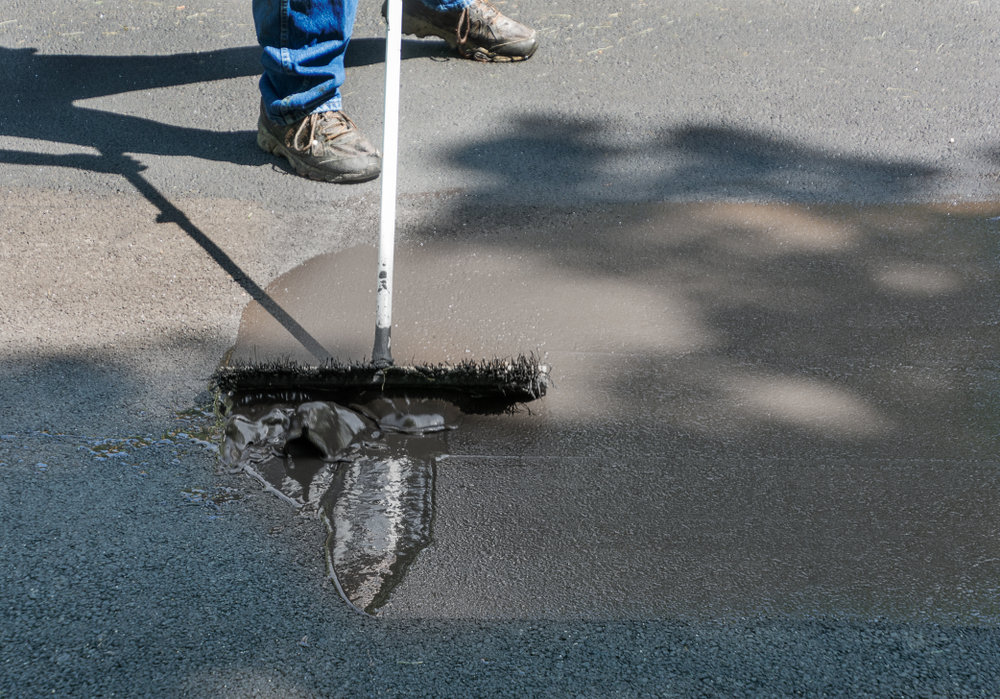
Phoenix asphalt takes a beating from intense sunlight, triple-digit summer temperatures, vehicle traffic, dust, and seasonal monsoon storms. Sealcoating helps protect the pavement surface, but that protective layer does not last indefinitely, especially under demanding Sonoran Desert conditions.
Quick answer: Sealcoating on a Phoenix driveway or parking lot commonly needs to be evaluated for renewal every few years, but there is no single lifespan that applies to every pavement surface. Traffic, UV exposure, existing asphalt condition, drainage, preparation, application quality, and maintenance all affect how quickly the coating wears. The Asphalt Institute also notes that climate severity and the quality of the original pavement influence when pavement requires sealing.
What local property owners should know
-
Intense Arizona sunlight and prolonged heat can accelerate surface aging, making regular pavement inspections especially useful.
-
High-traffic parking lots generally show wear sooner than lightly used residential pavement.
-
Monsoon rain can expose drainage problems and existing cracks that allow water into vulnerable pavement.
-
Sealcoating cannot correct structural pavement failure, deep potholes, or significant base problems.
-
Surface preparation and completing necessary repairs before application can affect the quality and useful life of the finished coating.
Why Does Sealcoating Lifespan Matter in Phoenix?
Sealcoating lifespan matters in Phoenix because asphalt is exposed to unusually demanding heat, sunlight, traffic, and seasonal weather, so knowing when protection is wearing thin helps property owners plan maintenance before surface deterioration becomes more extensive.
National Weather Service climate records illustrate just how severe Valley heat can become. Phoenix recorded an average maximum temperature of 106.9°F in June 2026, while July reached a monthly high of 117°F.
That environment affects asphalt throughout Maricopa County, from residential driveways in North Phoenix and Ahwatukee to commercial parking areas near Downtown Phoenix and busy properties along the Valley’s major corridors.
Sunstar Seal Coating Inc. works with asphalt surfaces in this demanding local environment. We look at the condition of the pavement itself rather than relying only on the date of the previous sealcoat.
What Local Climate Conditions Affect Sealcoating?
Phoenix sealcoating is affected most noticeably by prolonged heat, intense solar exposure, monsoon weather, dust, and the condition of the underlying asphalt, making local climate an important part of any pavement maintenance schedule.
National Weather Service Phoenix climate information tracks extreme temperatures, rainfall, and monsoon statistics for the region. Recent NWS reporting has documented prolonged periods of extreme heat across the metropolitan area, including temperatures above 110°F during parts of summer.
Monsoon conditions add another consideration. Rainfall may arrive quickly during thunderstorms, and water can exploit existing cracks or low areas where drainage is poor. Sealcoating is useful as a surface preservation treatment, but it should not be treated as a substitute for repairing significant pavement defects.
What Factors Determine How Long Sealcoating Lasts?
Sealcoating lasts longer when the underlying asphalt is sound, preparation is thorough, traffic is manageable, drainage works properly, and the coating is applied under appropriate conditions.
The most important factors include:
-
Traffic volume: A quiet residential driveway experiences different wear than a retail parking lot with vehicles entering and leaving throughout the day.
-
Sun exposure: Unshaded pavement in Glendale, Peoria, Scottsdale, and other Valley communities receives substantial solar exposure.
-
Existing pavement condition: A coating applied over sound asphalt has a different starting point than one applied over extensive cracking or deteriorated areas.
-
Surface preparation: Dirt, loose material, vegetation, and other contaminants can interfere with proper application.
-
Drainage: Standing water and recurring runoff can contribute to pavement problems.
-
Application conditions: Weather and pavement conditions during installation matter to the finished result.
What Are the Warning Signs That Sealcoating Is Wearing Out?
Worn sealcoating usually becomes noticeable through fading, exposed aggregate, uneven appearance, developing cracks, and areas where the asphalt surface no longer has consistent protection.
Watch for these signs around Valley properties:
-
The pavement has changed from a dark, uniform appearance to noticeably gray or faded.
-
Aggregate is becoming increasingly visible at the surface.
-
Fine cracks are appearing or previously repaired cracks are reopening.
-
High-traffic lanes are wearing differently from parking stalls or low-use areas.
-
Areas near entrances and turning points show concentrated wear.
-
Water repeatedly collects in depressions after monsoon rainfall.
-
The asphalt appears dry, brittle, or begins losing surface material.
The Asphalt Institute specifically identifies dry, brittle surfaces, small surface cracks, surface voids, and raveling as conditions where sealing can be useful.
When Should You Call a Sealcoating Professional?
A professional pavement evaluation makes sense when the previous coating is visibly worn, cracking is increasing, aggregate is loosening, or you are unsure whether the pavement needs sealcoating, crack repair, patching, or a more substantial treatment.
Property owners can safely monitor color changes, drainage, cracking, and surface wear. What is harder to determine without experience is whether deterioration is primarily at the surface or indicates a deeper pavement problem.
Sealcoat should not simply cover serious defects. If a parking lot near Downtown Phoenix has potholes or badly failed sections, those areas may require repair before a protective coating makes sense.
How Can You Help Sealcoating Last Longer?
You can help sealcoating perform longer by keeping pavement clean, addressing cracks and drainage concerns promptly, limiting avoidable surface damage, and inspecting heavily traveled areas regularly.
A simple local maintenance routine includes checking the pavement before and after the summer monsoon period, watching areas where water collects, and paying attention to drive lanes and entrances where vehicle movements create concentrated wear.
Commercial property managers should also look around dumpster areas, delivery zones, and frequently used turning points. These sections may deteriorate differently from ordinary parking stalls.
DIY observation is useful. Structural repairs and determining whether a surface is suitable for another sealcoat are better handled through a pavement evaluation.
What Results Should You Expect From Sealcoating?
Proper sealcoating should provide a more uniform pavement surface and a sacrificial protective layer that helps preserve suitable asphalt, but it will not rebuild failed pavement or permanently eliminate existing structural problems.
Expectations matter. A freshly treated parking lot can look substantially more uniform, but appearance is only part of the purpose.
For Phoenix property owners, the larger maintenance goal is protecting serviceable asphalt from continued surface exposure and managing deterioration before more extensive repairs become necessary.
What Sealcoating Mistakes Can Shorten Its Useful Life?
The biggest sealcoating mistakes are applying it over pavement that needs repair, neglecting preparation, ignoring drainage, and treating a maintenance coating as a cure for structural asphalt failure.
Mistake: Coating over significant cracks or failed pavement.
Consequence: Existing problems remain underneath and may quickly become visible again.
Better approach: Evaluate and repair appropriate defects first.
Mistake: Ignoring dirt and loose material.
Consequence: The surface may not be properly prepared for treatment.
Better approach: Complete thorough surface preparation before application.
Mistake: Using appearance alone to set the maintenance schedule.
Consequence: Property owners may seal too early or wait until deterioration has progressed.
Better approach: Consider pavement condition, traffic, exposure, and drainage together.
What Is a Common Phoenix Sealcoating Scenario?
A common Phoenix scenario is a commercial parking lot where drive lanes and entrances show substantially more wear than protected stalls, even though the entire property received sealcoating at the same time.
The difference is understandable. Vehicles repeatedly accelerate, brake, and turn in certain locations, while other sections receive relatively little traffic.
Add direct desert sun and seasonal dust, and the parking lot may no longer wear uniformly. In that situation, evaluating the entire pavement condition is more useful than assuming every square foot should follow an identical timetable.
Which Services Can Help Protect Aging Asphalt?
Sealcoating works best as part of a broader pavement maintenance approach that identifies cracking, localized damage, surface wear, and other asphalt concerns before applying a protective treatment.
Depending on pavement condition, the appropriate solution may involve preparation, crack-related maintenance, asphalt repairs, sealcoating, or other pavement maintenance services. The correct sequence matters because coating a visibly failed surface does not repair the underlying failure.
How Do Sealcoating and Asphalt Repair Compare?
Sealcoating protects serviceable asphalt surfaces, while asphalt repair addresses damaged areas that cannot be corrected simply by applying a surface coating.
A faded but structurally sound parking lot may be a candidate for preventive maintenance. A lot with potholes, extensive deterioration, or deeper failures needs a different approach.
The practical question for local property owners is not simply, “Do I need sealcoating?” It is, “What condition is my pavement in now, and what treatment matches that condition?”
Where Do Local Sealcoating Needs Occur?
Sealcoating needs occur throughout Phoenix and the surrounding Valley wherever asphalt is exposed to strong sun, vehicle traffic, and desert weather.
The same maintenance considerations can apply across Maricopa County communities such as Glendale, Peoria, Scottsdale, and nearby parts of the metropolitan area. Residential driveways, multifamily properties, retail centers, offices, and commercial parking lots can each experience different wear patterns.
What Happens If Worn Asphalt Protection Is Ignored?
Ignoring a worn pavement surface can allow existing cracks, oxidation-related aging, raveling, and other deterioration to progress, potentially moving a property beyond simple preventive maintenance.
Sealcoating is most useful when applied to pavement that is still an appropriate candidate for preservation. Waiting until the surface has significant structural damage can change the type and extent of work needed.
FAQ
How often should you sealcoat asphalt in Phoenix?
Phoenix asphalt should be evaluated every few years rather than automatically sealcoated according to a fixed calendar. Traffic, sunlight, pavement age, previous maintenance, and surface condition all influence timing. The Asphalt Institute notes that climate severity and original pavement quality affect when sealing becomes appropriate.
Does extreme Phoenix heat damage sealcoating?
Extreme Phoenix heat and solar exposure contribute to demanding pavement conditions, which is why regular surface inspections are valuable. National Weather Service records document prolonged triple-digit temperatures and extreme summer heat throughout the Valley, making local exposure very different from what asphalt experiences in milder climates.
Do monsoon storms affect asphalt in Maricopa County?
Monsoon storms can expose existing drainage and pavement problems, particularly where water reaches cracks or repeatedly collects in low areas. The monsoon period brings seasonal thunderstorms and a significant portion of annual precipitation to parts of the Desert Southwest, so drainage should be considered alongside surface maintenance.
Can sealcoating fix cracks in a Phoenix parking lot?
Sealcoating should not be expected to repair significant pavement cracks or structural failures. Cracks need to be evaluated so the appropriate repair or maintenance method can be selected before coating. Covering serious deterioration without addressing its cause can leave the underlying pavement problem unresolved.
Does a busy commercial lot need sealcoating sooner?
A heavily traveled commercial lot may show wear sooner than lightly used pavement because traffic is one of the factors affecting pavement surface condition. Entrances, drive lanes, loading areas, and turning points around Phoenix businesses deserve particular attention because their wear can differ substantially from ordinary parking spaces.
Is faded asphalt automatically ready for sealcoating?
Fading is a useful warning sign, but color alone does not determine whether asphalt is ready for sealcoating. Property owners should also consider cracking, raveling, traffic wear, drainage, previous maintenance, and the structural condition of the pavement before choosing the next treatment.
Can sealcoating be applied over damaged asphalt?
Sealcoating should not be used as a substitute for necessary asphalt repairs. If a Glendale, Peoria, or Phoenix property has potholes or significantly deteriorated pavement, those conditions should be evaluated first. Surface preservation works best when the underlying pavement remains suitable for that type of treatment.
How do I know when my Phoenix driveway needs attention?
Your Phoenix driveway deserves closer inspection when it becomes noticeably gray, develops new cracks, loses surface aggregate, or shows uneven deterioration. Tracking these changes over time can help you seek maintenance while the pavement may still be a candidate for preventive treatment rather than waiting for more substantial damage.
Protect Your Phoenix Asphalt Before Surface Wear Progresses
Desert heat, intense sunlight, traffic, and monsoon weather make pavement maintenance an ongoing consideration across the Valley. We can help you evaluate your asphalt’s current condition and determine whether sealcoating or another pavement maintenance approach is appropriate.
Contact Sunstar Seal Coating Inc. to discuss asphalt maintenance for your Phoenix-area property.
Categorised in: Sealcoating
This post was written by admin