
The Benefits of Seal Coating for HOA Communities in Glendale, AZ
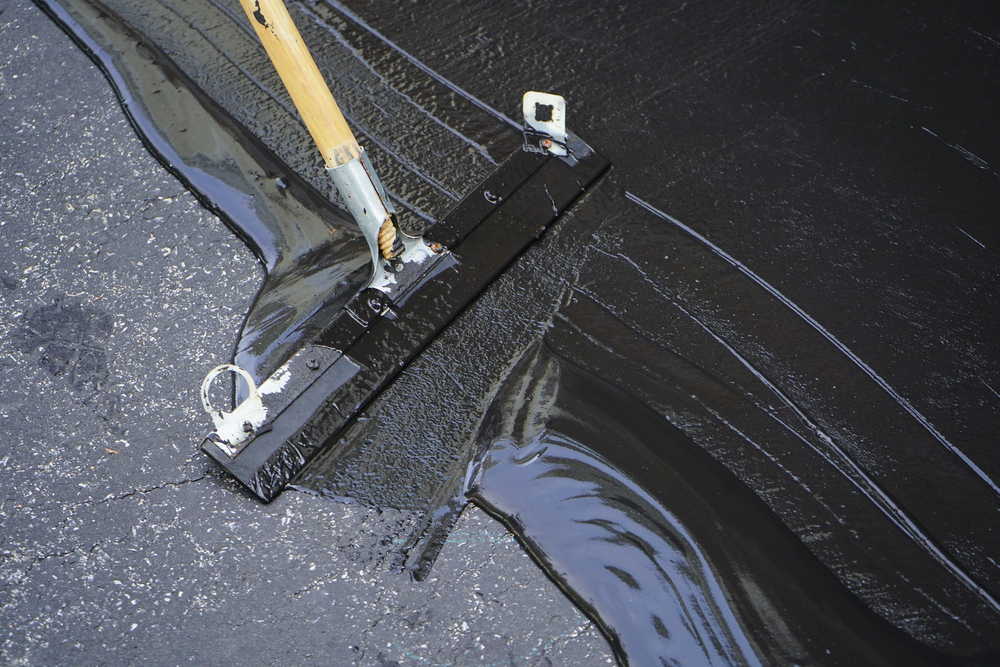
HOA communities in the Phoenix West Valley face constant wear from intense desert sun, heavy traffic, and seasonal monsoon storms. Parking lots and private streets are among the first things residents and visitors notice, making pavement maintenance an important part of protecting property values and community appearance.
Quick Answer
Seal coating helps HOA communities protect asphalt from UV damage, oxidation, oil spills, moisture intrusion, and everyday traffic. In Glendale, AZ, where extreme summer temperatures and monsoon weather accelerate pavement deterioration, routine seal coating can extend the life of asphalt surfaces, improve curb appeal, and reduce the need for costly repairs or early replacement.
What Local Readers Should Know
-
HOA roads and parking areas throughout Glendale experience intense UV exposure that causes asphalt to dry out and crack over time.
-
Monsoon rains in Maricopa County can penetrate small pavement cracks, leading to larger failures if left untreated.
-
Seal coating creates a protective barrier that helps preserve asphalt and maintain a clean, uniform appearance.
-
Well-maintained pavement improves safety by making parking stalls, traffic markings, and pedestrian pathways more visible.
-
Preventive maintenance is typically more affordable than extensive asphalt repairs or full resurfacing.
Why This Matters Locally
Seal coating matters because Glendale’s climate is especially hard on asphalt pavement. Triple-digit summer temperatures, strong sunlight, blowing desert dust, and seasonal monsoon storms all contribute to faster pavement aging. Communities near Arrowhead Ranch, Historic Downtown Glendale, Westgate Entertainment District, and neighborhoods surrounding State Farm Stadium experience varying levels of traffic that gradually wear away asphalt surfaces.
HOA boards often have limited maintenance budgets, making preventative pavement care an important part of long-term financial planning. Protecting asphalt before serious damage develops helps communities avoid larger capital expenses later.
Sunstar Seal Coating Inc. helps HOA communities protect their asphalt investments through professional seal coating services designed for Arizona’s demanding climate. From that point forward, we focus on helping communities extend pavement life while maintaining attractive, safe common areas.
Local Data or Field Observations
Professional field observations consistently show that Arizona’s desert climate accelerates asphalt aging. Prolonged UV exposure causes oxidation, which makes asphalt brittle and more susceptible to cracking. Once cracks develop, monsoon rainfall can infiltrate the pavement structure and contribute to further deterioration.
In HOA communities throughout the West Valley, parking lots often show fading, surface raveling, and cracking several years before their expected lifespan if preventative maintenance is delayed.
Local Impact
Seal coating has a direct impact on the appearance and long-term maintenance costs of HOA communities. Freshly sealed pavement creates a darker, cleaner surface that enhances curb appeal and supports property values.
Residents also benefit from:
-
Better-looking entrances and common areas
-
Improved visibility for parking lot striping
-
Reduced trip hazards from expanding cracks
-
Longer pavement lifespan
-
Lower long-term maintenance expenses
Communities throughout Glendale, Peoria, and nearby Surprise often find that regular maintenance helps spread pavement costs over many years instead of facing sudden reconstruction projects.
Warning Signs Your HOA May Need Seal Coating
Several visible signs indicate asphalt may be ready for seal coating.
Look for:
-
Faded gray pavement instead of deep black asphalt
-
Small surface cracks beginning to appear
-
Areas that absorb water instead of shedding it
-
Oil stains that remain visible after cleaning
-
Surface becoming rough or brittle
-
Parking lot striping fading quickly
-
Minor raveling or loose aggregate on the surface
Addressing these signs early is generally more effective than waiting until structural damage develops.
When to Call a Professional
Professional evaluation is recommended before pavement deterioration becomes severe. HOA managers can routinely monitor pavement for fading and small cracks, but widespread cracking, potholes, drainage issues, or surface failures should be assessed by experienced pavement professionals.
An inspection helps determine whether seal coating alone is appropriate or whether crack filling and repairs should be completed first.
Common Local Causes of Asphalt Deterioration
Several local conditions contribute to pavement wear in Glendale.
1. Intense UV Exposure
Arizona sunshine oxidizes asphalt binders, making pavement dry, brittle, and more likely to crack.
2. Extreme Summer Heat
Repeated heating and cooling cycles cause asphalt to expand and contract, increasing stress throughout the pavement surface.
3. Monsoon Storms
Heavy seasonal rainfall can enter existing cracks, weakening the pavement base over time.
4. Vehicle Traffic
Daily traffic from residents, delivery vehicles, landscaping equipment, and service providers gradually wears away protective asphalt oils.
5. Oil and Chemical Spills
Parking areas commonly experience leaks from vehicles that slowly soften asphalt if left untreated.
Prevention and Maintenance
Routine maintenance is the best way to maximize pavement life.
HOA communities should consider:
-
Annual pavement inspections
-
Prompt crack sealing
-
Regular sweeping to remove abrasive debris
-
Cleaning oil stains when practical
-
Re-striping after seal coating when needed
-
Scheduling seal coating before significant cracking develops
Arizona communities often schedule pavement maintenance during warmer, drier periods that allow proper curing.
Expected Results
Properly applied seal coating helps preserve pavement rather than repair structural damage.
Communities can generally expect:
-
Improved pavement appearance
-
Better resistance to UV exposure
-
Reduced oxidation
-
Protection from moisture intrusion
-
Easier pavement maintenance
-
Extended service life when combined with regular inspections and crack repairs
Seal coating works best as part of a long-term pavement maintenance strategy.
Common Mistakes
Waiting Too Long
Consequence: Minor cracks become larger structural failures.
Better Approach: Schedule routine inspections and preventative maintenance.
Skipping Crack Repairs
Consequence: Water continues entering beneath the seal coat.
Better Approach: Repair cracks before seal coating whenever appropriate.
Choosing Based Only on Price
Consequence: Lower-quality application may not perform as expected.
Better Approach: Evaluate experience, preparation methods, and maintenance recommendations.
Ignoring Parking Lot Striping
Consequence: Reduced traffic organization and pedestrian safety.
Better Approach: Re-stripe pavement after seal coating is complete.
Common Local Scenario
A common HOA scenario involves pavement that still appears structurally sound but has begun fading and developing light surface cracking. Rather than waiting until potholes form, the HOA schedules preventative maintenance that includes crack treatment, seal coating, and fresh striping. This proactive approach helps preserve the existing pavement while maintaining an attractive community appearance.
Related Service Solutions
Seal coating works best alongside other pavement maintenance services.
Depending on pavement condition, HOA communities may benefit from:
-
Crack sealing
-
Asphalt patching
-
Parking lot striping
-
Pavement inspections
-
Preventative maintenance planning
Comparing Your Options
| Option | Best For | Considerations |
|---|---|---|
| Seal Coating | Asphalt in generally good condition | Prevents deterioration and extends pavement life |
| Crack Filling + Seal Coating | Pavement with minor cracking | Addresses water intrusion before sealing |
| Asphalt Repairs | Localized damaged areas | Restores isolated failures before maintenance |
| Full Resurfacing | Severely deteriorated pavement | Higher investment when preventative maintenance is no longer sufficient |
Service Areas
We proudly serve HOA communities throughout Glendale, AZ, along with neighboring areas including Peoria, Surprise, Phoenix, and other communities throughout Maricopa County. Our goal is to help local property managers and HOA boards protect their pavement investments through proactive maintenance.
Cost of Ignoring the Issue
Delaying seal coating often allows small pavement problems to become much more expensive repairs. UV damage, water intrusion, and traffic continue affecting unprotected asphalt every season. Eventually, communities may face larger repair projects or earlier resurfacing than would have otherwise been necessary.
Frequently Asked Questions
How often should HOA communities in Glendale schedule seal coating?
Most HOA communities benefit from evaluating seal coating every few years depending on traffic levels, pavement age, and overall condition. A professional inspection can determine the appropriate maintenance schedule for your specific property.
Does seal coating repair cracks?
No. Seal coating protects the pavement surface but does not repair structural cracks. Existing cracks are typically treated before seal coating so moisture cannot continue entering beneath the pavement.
Why does Arizona weather damage asphalt so quickly?
Arizona’s intense UV exposure, extreme temperatures, and seasonal monsoon storms accelerate asphalt oxidation and deterioration. These conditions make preventative maintenance especially valuable for local communities.
Can residents drive on newly sealed pavement?
Yes, but only after the material has fully cured. Cure times vary depending on temperature, humidity, and weather conditions, so professional guidance should always be followed before reopening traffic.
Is seal coating worthwhile for older HOA parking lots in Glendale?
Yes, provided the pavement remains structurally sound. An inspection helps determine whether seal coating, repairs, or resurfacing is the most appropriate solution.
Does seal coating improve community appearance?
Yes. Fresh seal coating restores a darker, more uniform appearance that enhances curb appeal while improving the visibility of parking lot striping and traffic markings.
What time of year is best for seal coating in Maricopa County?
Warm, dry weather generally provides favorable conditions for seal coating. Scheduling around the monsoon season and following manufacturer application guidelines helps achieve proper curing.
How can HOA boards plan for long-term pavement maintenance?
Routine inspections, timely crack repairs, and scheduled seal coating help spread maintenance costs over time. A preventative maintenance plan often helps communities avoid larger, unexpected pavement expenses.
Protect Your HOA Community’s Asphalt Investment
Regular seal coating helps HOA communities maintain attractive, durable pavement while reducing long-term maintenance costs. Our team is committed to helping local communities make informed pavement maintenance decisions that fit Arizona’s unique climate.
Ready to Preserve Your Community’s Pavement?
Protect your HOA roads and parking lots before small issues become costly repairs.
Categorised in: Sealcoating
This post was written by admin