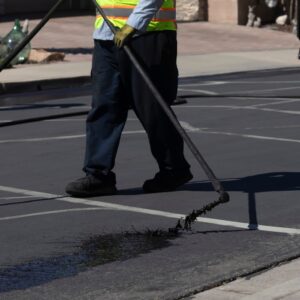
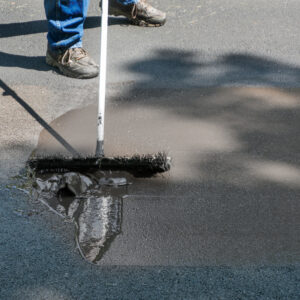
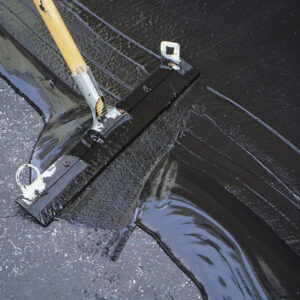
Churches, schools, nonprofit campuses, and community facilities often have parking lots that serve hundreds of vehicles, pedestrians, buses, delivery drivers, and visitors. In Phoenix, those shared asphalt surfaces also face intense sun, prolonged heat, dust, and seasonal monsoon weather, making preventive pavement maintenance especially important. Quick answer: Sealcoating helps protect asphalt parking lots from weather exposure and ongoing surface wear while providing a more uniform finished appearance. For churches, schools, and community facilities in Phoenix, it can be one part of a preventive maintenance plan designed to slow surface deterioration and help existing asphalt remain serviceable longer. What local facility... View Article
Phoenix asphalt takes a beating from intense sunlight, triple-digit summer temperatures, vehicle traffic, dust, and seasonal monsoon storms. Sealcoating helps protect the pavement surface, but that protective layer does not last indefinitely, especially under demanding Sonoran Desert conditions. Quick answer: Sealcoating on a Phoenix driveway or parking lot commonly needs to be evaluated for renewal every few years, but there is no single lifespan that applies to every pavement surface. Traffic, UV exposure, existing asphalt condition, drainage, preparation, application quality, and maintenance all affect how quickly the coating wears. The Asphalt Institute also notes that climate severity and the quality of... View Article
Apartment complex parking lots in Phoenix handle more than routine vehicle traffic. Intense desert sun, long stretches of triple-digit heat, monsoon moisture, dust, delivery vehicles, moving trucks, and constant resident turnover can all contribute to pavement wear. Sealcoating can help protect structurally sound asphalt from surface deterioration while giving multifamily properties a cleaner, more uniform appearance. Quick answer: Sealcoating for apartment complexes helps protect asphalt surfaces from sunlight, oxidation, moisture, and everyday traffic. For Phoenix property managers, the key is applying sealcoat before pavement deterioration becomes severe and planning the work around weather, curing conditions, resident access, and parking needs.... View Article
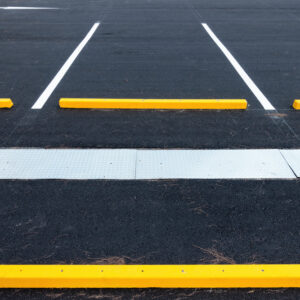
A freshly paved parking lot looks dark, smooth, and finished, so it is reasonable for Phoenix property owners to wonder whether sealcoating should come next. In the Valley, where pavement faces intense sun, triple-digit summer temperatures, blowing dust, and monsoon storms, protecting asphalt matters. The timing, however, matters just as much as the treatment itself. Quick answer: Yes, a newly paved asphalt lot can benefit from sealcoating, but it generally should not be sealcoated immediately after installation. New asphalt needs time to cure and release oils before a sealer is applied. The appropriate waiting period depends on the pavement condition, asphalt... View Article
HOA communities in the Phoenix West Valley face constant wear from intense desert sun, heavy traffic, and seasonal monsoon storms. Parking lots and private streets are among the first things residents and visitors notice, making pavement maintenance an important part of protecting property values and community appearance. Quick Answer Seal coating helps HOA communities protect asphalt from UV damage, oxidation, oil spills, moisture intrusion, and everyday traffic. In Glendale, AZ, where extreme summer temperatures and monsoon weather accelerate pavement deterioration, routine seal coating can extend the life of asphalt surfaces, improve curb appeal, and reduce the need for costly repairs... View Article